|
|
What work is needed to the Bandstand to preserve it for future generations to enjoy? |
|
|
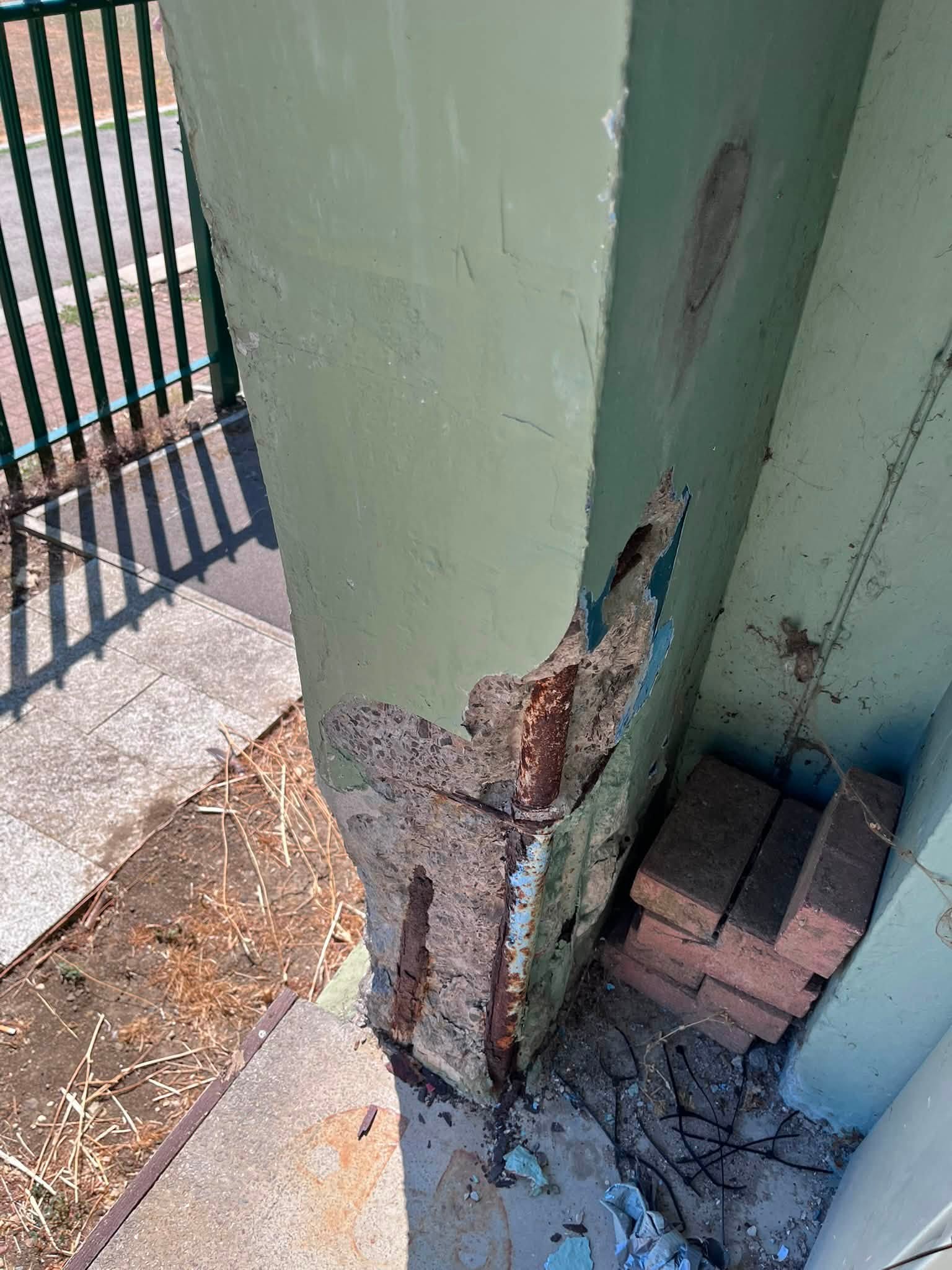
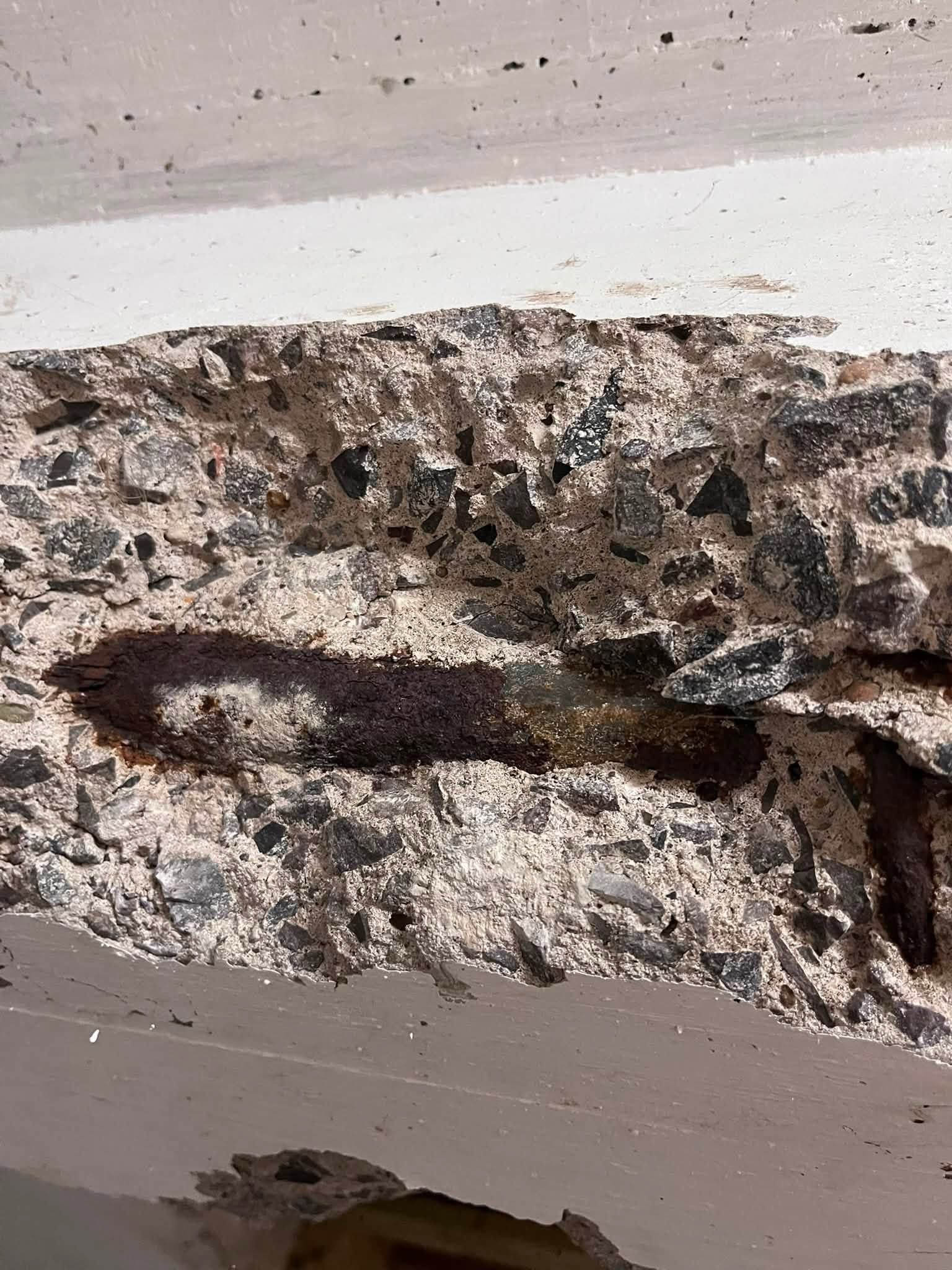
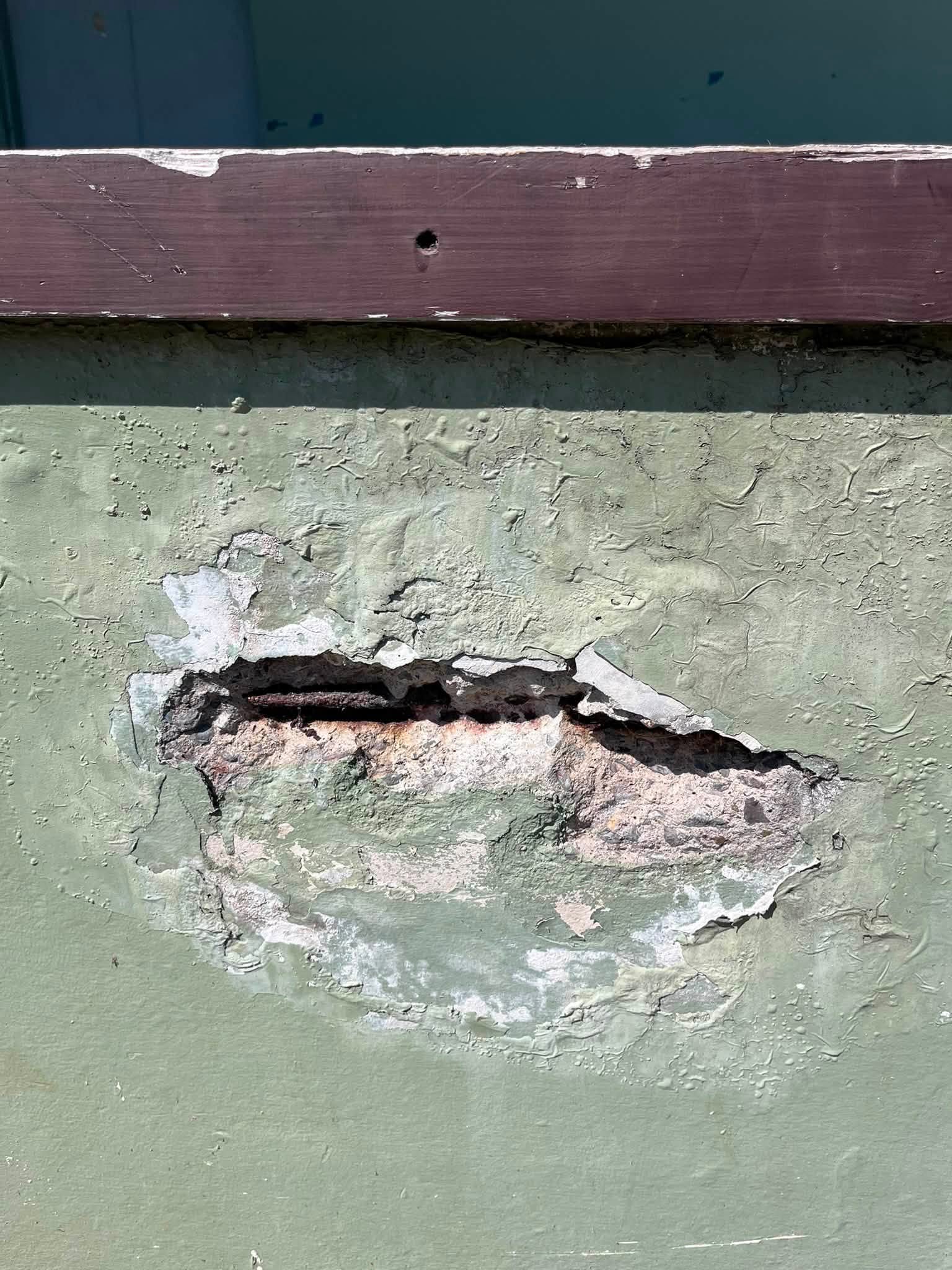
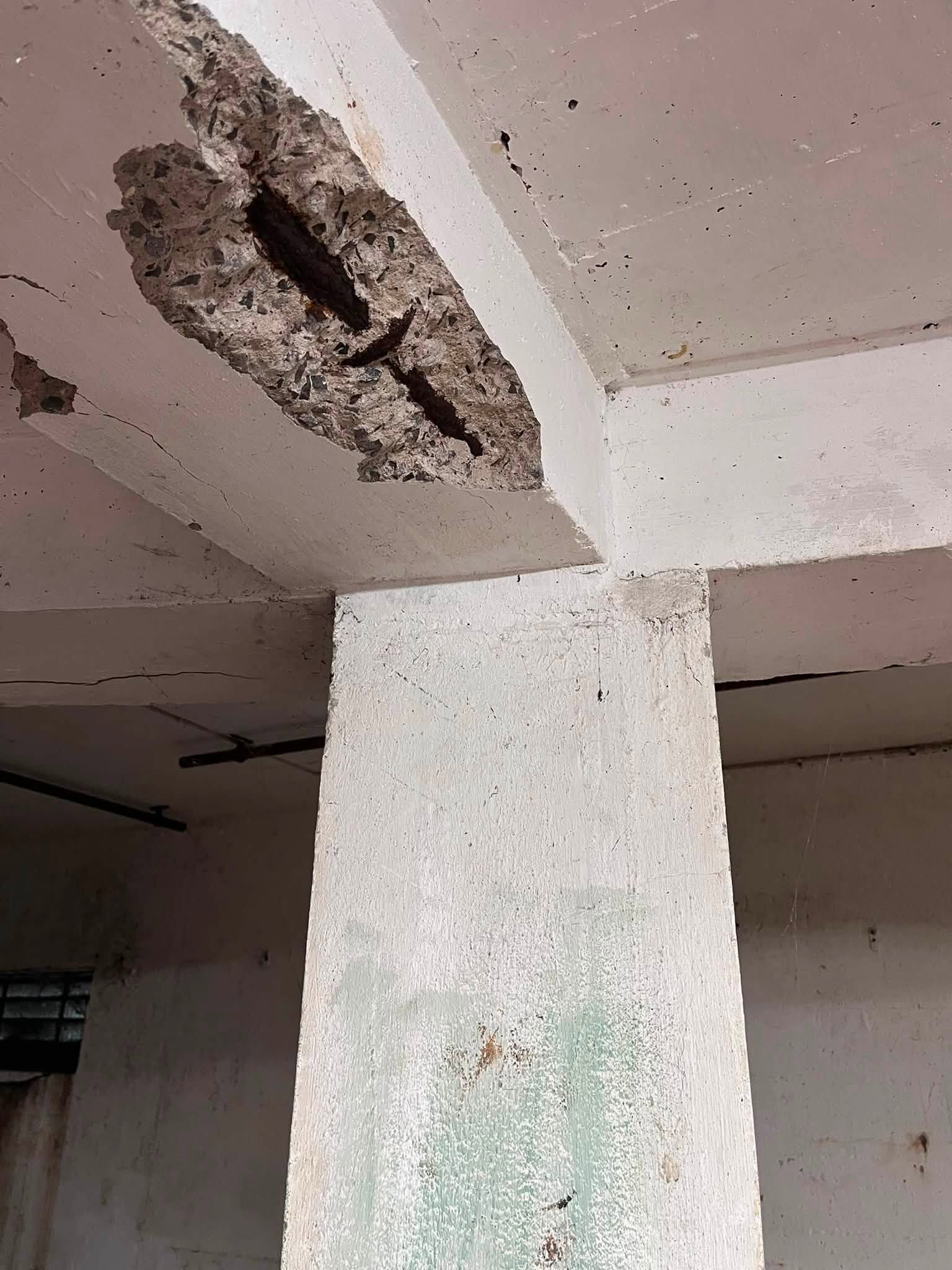
Between 2014 and 2016, concerns over the Bandstand's condition had led to its minimal use. Then, between 2017 and 2019, a significant private development took place at St Georges Works (the building immediately behind the bandstand) and the town council agreed that the area around the bandstand could be segregated for the use of construction equipment and deliveries. This also involved the bandstand being used as storage of the town council’s equipment. The bandstand was therefore not used at all during that time. Whilst the St George's Works development was taking place, the town council decided that it needed a facility to use as a base for future operations and storage. A project to construct a new storage facility was therefore drawn up and construction of the town council’s new storage unit commenced once the land being used by the developer of St George’s Works was returned to the council. The contractor of this new storage facility again used the bandstand for storage and upgrading its electricity supply in parallel with building the new storage buiuldings. This new storage facility (now known as "Walker's Yard") was completed in September 2020. In 2021, following the local elections, a new council term brought in new councillors and a new strategy which included future projects to enhance the town, the bandstand being one of them. The council quickly engaged with an architect to come up with some proposals for refurbishment of the bandstand, including making it more accessible. Four designs were produced and sent out for public consultation, and this resulted in one design being favoured and agreed by the council to take forward for further technical drawings, scopes of work and eventually a pre-tender estimate (PTE). During this process the council commissioned the services of a structural engineer whose report highlighted significant defects in the concrete structure, in particular to the concrete beams viewed from within the basement. While the bandstand had been under the management of the previous local authority, the sump pump had not been maintained and the basement had been left flooded. Additionally, it became clear that leaks in the roof lining and windows had compounded damp to the internal areas. This had resulted in significant damage to the internal painted surfaces. A structural report commissioned in 2021 by the town council highlighted the need to engage with a concrete repair specialist to undertake a significant intrusive survey of the concrete structure and the town council restricted use of the bandstand until the report of that survey was published in 2022. The report when published provided the council with options for repair which included options for levels of concrete re-conditioning, each with their own repair longevity estimates. The report did however make it clear that the structure was safe to use and therefore the council was happy to allow some use of the bandstand, but with caution over any use of amplified music being played within the structure. The estimated costs for those repairs options from 2022 were provided to the town council in a PTE (pre-tender estimate) and the council was asked to consider funding options for the full project...... but a clear path to funding was not available and the project was therefore paused due to these resource constraints and other projects taking priority. As of June 2026, the bandstand is still mainly in the same condition as it was when commissioning the reports referenced above and the bandstand is still used for public community events and (non-amplified) musical performances. So where are we today? The bandstand building is of brick construction with a flat membrane covered roof surrounding a reinforced concrete half-dome above a reinforced concrete stage supported by reinforced concrete pillars. Following discussions with the Wiltshire Historic Buildings Trust, it has become clear that this concrete itself is of historic significance and would require specialist repair. The window frames and guttering are also original and would benefit from conservation rather than replacement. The work needed therefore falls into a number of areas (listed below), but it must be accepted that this work (if it to be supported by the Friends of Trowbridge Bandstand) MUST seek to preserve as much of the original structure (including fixtures and fittings) as is possible. 1 Concrete repairs and restoration The reinforced concrete used in the construction of the Bandstand in 1939 is a very different material from that used today. It cannot therefore just be "patched" with its modern equivalent Historic concrete specialists will have to be engaged to determine the best way to stabalise, preserve and repair the reinforced concrete parts of the structure. This work is predominantly in the reinforced concrete loadbearing elements of the under-stage area which show clear signs of cracking, flaking and exposed reinforcement. As can be seen from the photographs below, the reinforcing metal rods used in this concrete have also in places become exposed and corroded and these too will require remedial work by the same specialist at the same time.
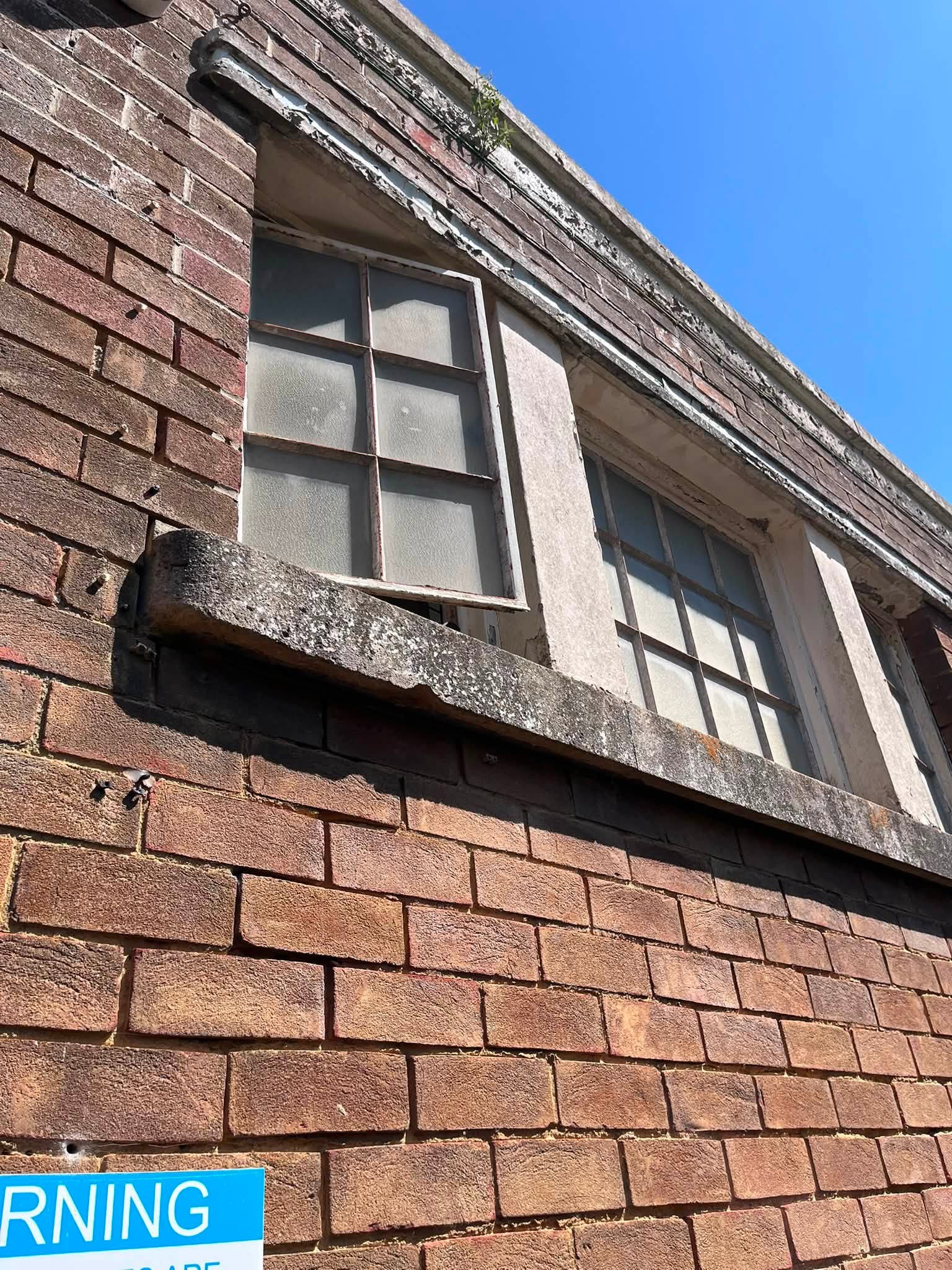
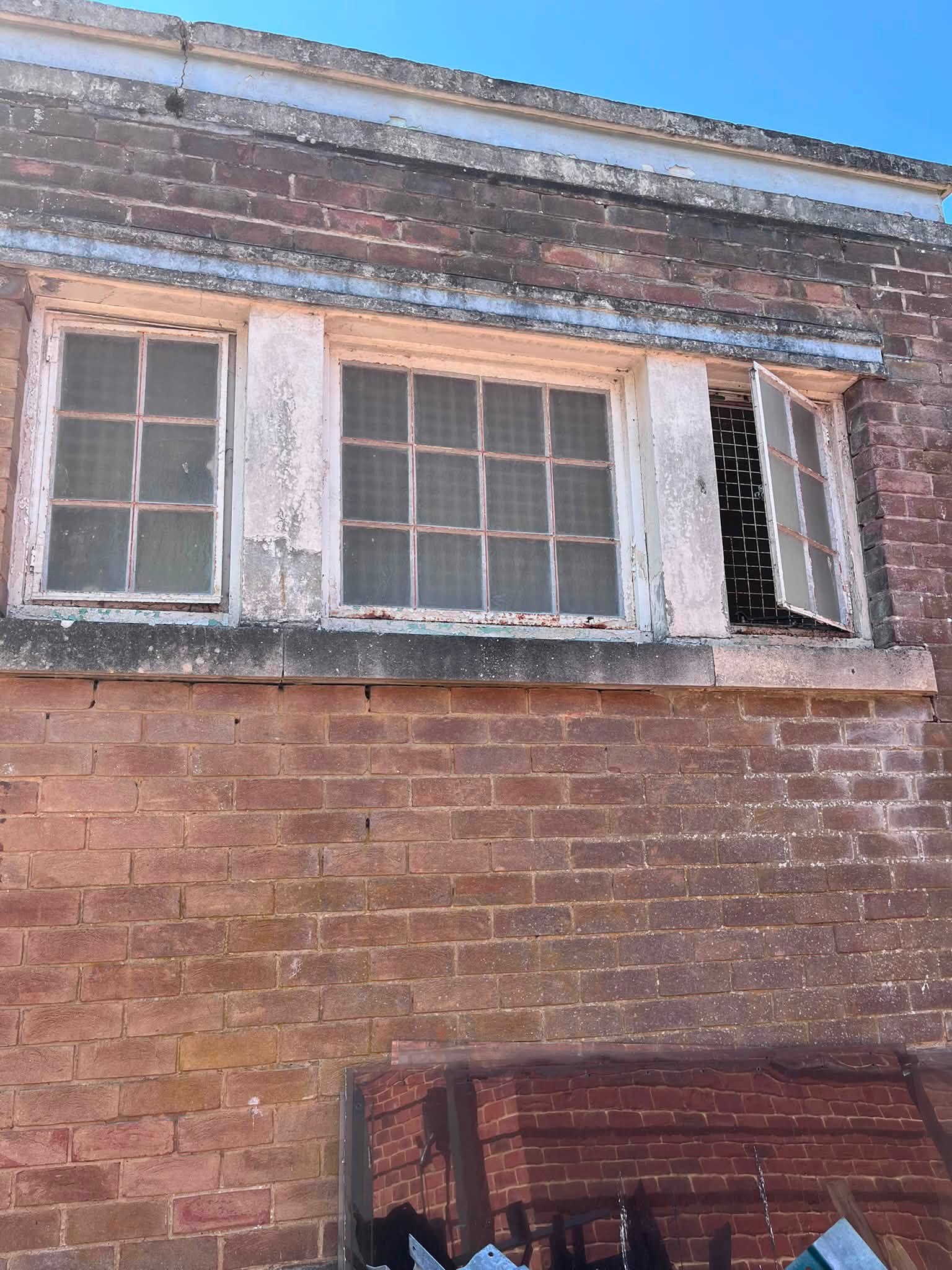
One of FoTB's first tasks will be to commission a new concrete survey from a specialist in early 20th century structures such as our Bandstand to determine the best way forward to stabalise the structure whilst maintaining its originality and heritage asset significance. To this end we are working with the Wiltshire Historic Buildings Trust and others to explore all options. 2 Brickwork The brickwork, like the concrete, dates from the late 1930s and whilst not in quite such bad shape does nonetheless will require some remedial work to both the bricks and the pointing. The stone (or caste concrete?) parapet, lintels, mullions, sills etc that surround the top of the brickwork and are in place on the windows also will need to be expected as there is evidence of movement certainly in the cappings to the walls that surround the flat roof.
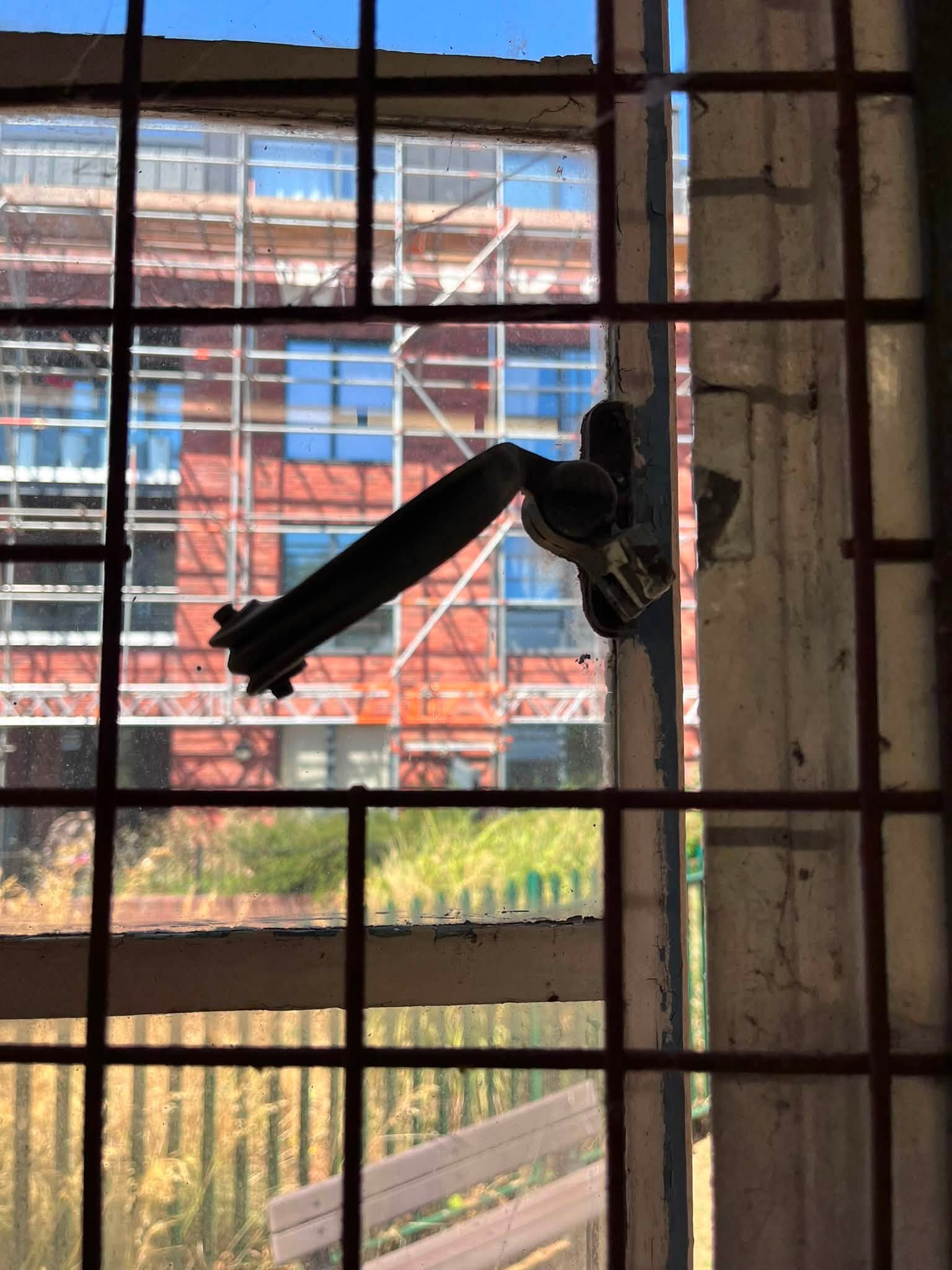
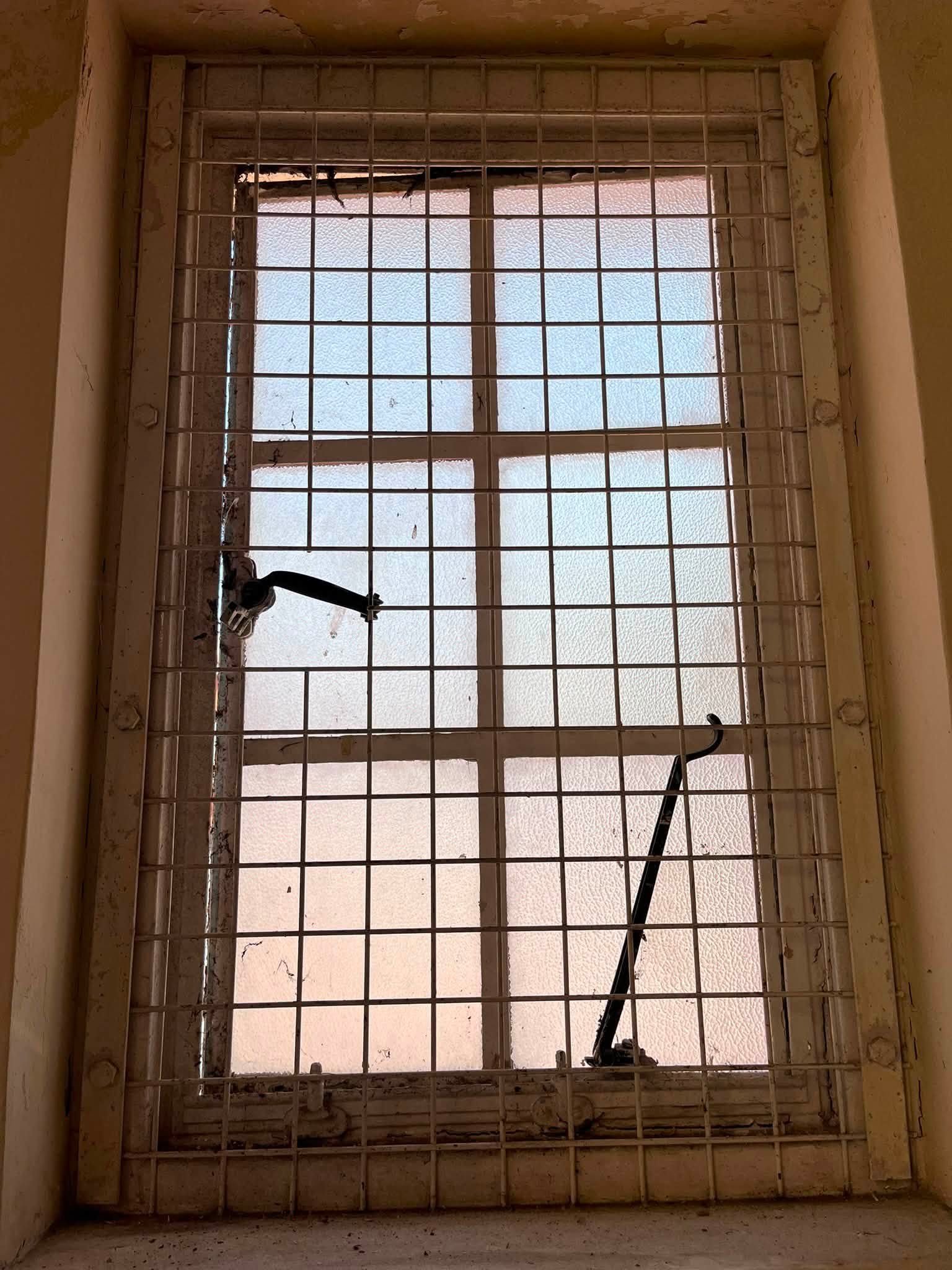
As with the concrete dome, any remedial work to the brickwork will need to be done in such a way as to preserve its originality and heritage asset significance. It should be remembered that these are 90 year old bricks and any that are broken or crumbling cannot simply be replaced with modern alternatives. Matching recycled bricks would need to be found. 3 The Flat Roof There are strong indications that the flat roof that tops the brickwork on either side and to the rear of the dome itself leaks and will need fully inspecting and potentially replacing and/or repairing. It is however anticipated (but not as yet confirmed) that this would not require specialist heritage skills or knowledge and that a competent roofer used to dealing with bitumen and felt roofs would be able to undertake the work whilst still preserving the heritage of the building. 4 External Fixtures and Fittings These include the iron gutters, hoppers and down-pipes that all date from the 1930s as well as the original metal window frames (and maybe even some of the glass panes...... if they are original and haven't been replaced over the years). Once again, the aim is to retain, restore and preserve as much of the original as possible. Whilst it is true that it would be more cost effective to simply replace windows, gutters and down-pipes with modern uPVC products, this would severely compromise the heritage of the building and would be resisted at all costs
To sum up the above three points..... the roof, parapet, guttering and down-pipes all require repair in order to prevent further water ingress into the building; and the windows themselves (which are metal framed single glazed units offering almost no insulation of protection even ignoring all the broken panes of glass) will; need to be inspected, repaired as needed and repainted. 5 Internal Fixtures and Fittings After almost ninety years of use there are very few original internal fixtures and fittings remaining. In fact, what there are are limited to the internal window fittings and an original gent's urinal.... both of which should be preserved!
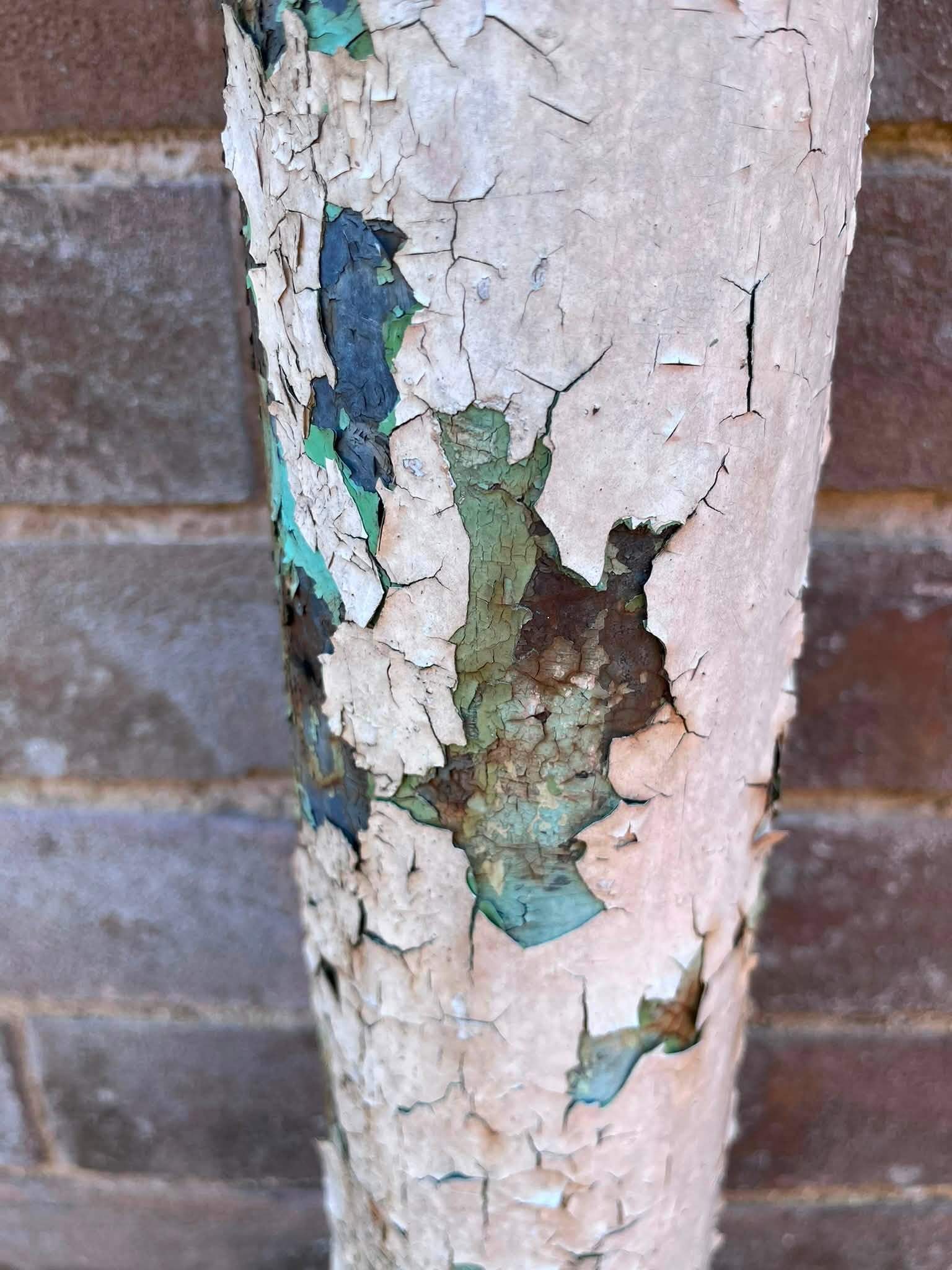
6 Paint Finally, cosmetic work is needed in order to restore the Bandstand to its art-deco appearance. The mosaic that was designed by local schoolchildren and community members, including patients from the Dorothy House Hospice Outreach Centre, and added to the arch above the stage as part of the London 2012 project has already ;ost some of its panels. This will be carefully removed and relocated (probably to Trowbridge Museum, where it can be properly conserved and displayed). The paintwork itself, both on the external render and inside the clamshell stage, has been repainted many times over the years and will be examined by an expert in 1930s paint to determine the original colour and makeup. A suitable heritage paint expert has already been identified and advice will be sought.... so wherever possible it is hoped that the appearance of the restored Bandstand will closely align with how it would have looked when first opened in 1939. Obviously safety is a concern with both the removal and restoration of old paint and all necessary steps will be taken to ensure that the old paint is either removed or sealed and that any new paint does not contain harmful elements. 6 Enhancements and improvements This is where we depart from restoration and conservation and get into the realm of "it would be good to have". Needless to say, any "enhancements" that offer better accessibility, sound and lighting improvements or other modern facilities would need to be incorporated in such a way as to avoid compromising any of the originality of the Bandstand. But nevertheless, there is always a wish list! Work is also needed to make the building fully accessible to disabled/mobility limited users. Access to the backstage area is by steps only and there is a further step down onto the stage itself from these backstage rooms. It would be almost a requirement to provide some sort of easy access for wheelchair users, whether that involves a ramp or a scissors lift behind the bandstand is however open to debate and may well come down to cost. The backstage rooms themselves are poorly equipped to host artists. There are no adequate dressing rooms or "green room" facilities for performers. The rooms are there, and would only need basic decorating and furnishing, so this is a realistically achievable enhancement. Currently there is no provision for modern sound or lighting systems on the Bandstand. Both these would rely on a safe and adequate electricity supply to the stage area and whilst any sound system used would be stand alone, a semi-permanent lighting rig would be a very nice enhancement. Moderv rigs are small and light weight and it is hoped that such a rig could be subtly mounted behind the arch with minimal disturbance to the fabric of the building. The steps at the front of the stage are not original and as currently configured are (to be honest) a real detraction from the clean art deco lines of the Bandstand. It is necessary to retain access to the stage from the "pit" area, so some thought is going to be needed as to how this can best be achieved. Lastly, the fences and gates. It is clear that these are not visually appealing and are not popular with many regular users of the Town Park or audiences at the Bandstand; however it is also a sad fact that they were only installed after the Bandstand became a site for anti-social behaviour, public drinking and substance abuse. Until a better solution can be found that protects this heritage asset these security barriers will perforce need to stay. *** In conclusion therefore, and as we hope has been made clear, FoTB's primary aim is to conserve all original parts of the Bandstand wherever possible and never simply replace with modern alternatives. Both the Wiltshire Historic Buildings Trust and the Twentieth Century Society have been consulted and they too have expressed keen interest in the preservation of the bandstand. It is proposed therefore that the Trowbridge Park Bandstand is repaired, restored and, where necessary and with due sympathy to its architectural and historical heritage, updated to enable its continued use by the town for events in the Town Park. Return to HOME |
||
|
About the Friends of Trowbridge Bandstand: |
About the Bandstand itself: |
|
|
|
|
|
|
FoTB Documentation. The FoTB is governed by a written Constitution and relies on documented Rules and Policies that dictate how we operate. All our documentation is ISO9001 compliant. You can view the most recent versions of our documentation by clicking HERE. |
Past and present images of the Bandstand Click HERE to view a selection of old and new images of the Bandstand. Do you have photographs of the bandstand, either past or present, that you'd like to share? If so, please send them to us at admin@fotb.org.uk |
|
|
The Friends of Trowbridge Bandstand has applied to the Charity Commission for England and Wales for registration as a charity under the Charities Act 2011 (Application number: 5294277) |
||